


Best types of properties for short-term rental in Oman
The short-term rental market in Oman offers significant investment opportunities, driven by the dynamic growth of tourism. Key locations include Muscat, which attracts business and city tourists year-round, and Salalah, popular during the monsoon season (Khareef) with high seasonal rates. The most profitable property types are studio and one-bedroom apartments in city centers, luxury apartments in ITC complexes (e.g., Al Mouj), and villas with private pools. Investors can expect a gross rental yield of 8% to 12% per annum, with daily rates ranging from 80-120 USD in Muscat to 250-400 USD for luxury villas during peak season. Operations require a license from the Ministry of Heritage and Tourism, and property management can be entrusted to a specialized firm.

Article summary
The most important conclusions from the article in 30 seconds.
The short-term rental market in Oman offers significant investment opportunities, driven by the dynamic growth of tourism. Key locations include Muscat, which attracts business and city tourists year-round, and Salalah, popular during the monsoon season (Khareef) with high seasonal rates. The most profitable property types are studio and one-bedroom apartments in city centers, luxury apartments in ITC complexes (e.g., Al Mouj), and villas with private pools. Investors can expect a gross rental yield of 8% to 12% per annum, with daily rates ranging from 80-120 USD in Muscat to 250-400 USD for luxury villas during peak season. Operations require a license from the Ministry of Heritage and Tourism, and property management can be entrusted to a specialized firm.
Oman is undergoing a dynamic transformation, becoming one of the most desirable tourist destinations in the Persian Gulf region. Moving away from traditional hotel models toward flexible, Airbnb-style rentals is opening up entirely new opportunities for investors. Choosing the right type of property is more important here than anywhere else, as this market relies heavily on the specific needs of guests—from business people in the capital to families seeking relief from the heat in the south of the country.
A new era of tourism in Oman
The short-term rental market in Oman is driven by ambitious tourism development plans and a growing number of flight connections with Europe and Asia. Travelers are increasingly seeking the authenticity and privacy that classic resorts do not offer. This makes private apartments and houses the foundation of modern accommodation, often generating higher returns than standard long-term rentals.
This phenomenon is particularly visible in large urban centers, where accommodation must meet the needs of both recreational tourism and the rapidly developing business travel sector. However, investing in this segment requires an understanding of local geography and seasonality, which dictate profitability in this part of the world.
Choosing a location – where demand meets supply
Location is the first and most important parameter that will determine your future income. In Oman, we are dealing with two main tourist poles that operate on slightly different cycles. The choice between them depends on whether you are looking for stable income throughout most of the year or extremely high rates during a specific season.
Muscat – the heart of business and urban tourism
The country's capital is the most predictable market. All year round, it attracts foreign delegations, experts, and transit tourists who use Muscat as a base for exploring the rest of the country. Districts such as Al Khuwair and Bowsher are in the highest demand due to their proximity to offices and shopping centers.
Salalah – the monsoon season phenomenon
The south of the country is the kingdom of seasonality. While the rest of the Arabian Peninsula struggles with heat, Salalah blooms with greenery thanks to the Khareef monsoon. The demand for renting houses during this period is so high that daily rates can exceed those in the capital several times over. This is an ideal place for those targeting the local market and tourists from neighboring countries.
Ranking of the best property types for daily rentals
Not every property is suitable for a short-term model. Guests of booking portals have specific expectations regarding room layout and available amenities. By analyzing market data, we can distinguish three formats that enjoy constant interest and ensure the highest occupancy.
Below is a list of property types that monetize best in the daily rental model:
- Studio and 1-bedroom apartments: these are an absolute sure thing in city centers. They are cheap to maintain, easy to clean, and perfectly tailored to the needs of couples or singles traveling on business.
- Luxury apartments in ITC complexes: properties in zones such as Al Mouj offer access to a marina and private beaches. Guests are willing to pay a significant premium for the ability to use resort infrastructure while maintaining the privacy of their own apartment.
- Villas with private pools: this is a scarce product that wealthy families from the region are waiting for. Privacy is a luxury commodity in this culture – a villa with a secluded pool in Salalah or Muscat is a guarantee of bookings well in advance.
Infrastructure and amenities that increase the daily rate
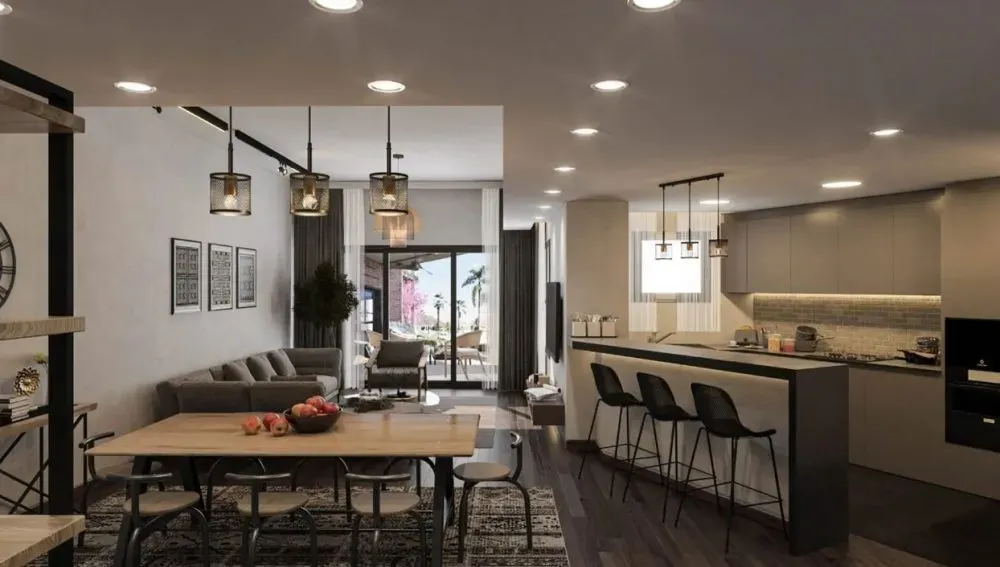
In the age of social media, the look and functionality of a property directly translate into the number of bookings. A hotel standard is no longer enough; guests are looking for an experience they can capture in photos. Proper interior design in the style of modern Arabic elegance can increase the daily rate by a dozen or so percent.
However, it is not just visual aspects that are important, but also technological ones. Introducing modern property management systems makes life easier for both the owner and the tenant, building positive reviews that are the driving force on portals like Airbnb or Booking.com.
Technical standards that increase profits
- Self-check-in: smart code locks are essential. They allow guests to arrive at any time and save you time on trips to hand over keys.
- Efficient air conditioning: in this climate, it is a foundation. The system must be quiet and reliable – a breakdown in the middle of summer is a guaranteed refund and a negative review.
- Fast Wi-Fi: essential for the growing group of digital nomads who are increasingly choosing Oman as a place for remote work.
Profitability and numbers – what can an investor expect?
Finances in short-term rentals look very promising, provided that operating costs are managed wisely. Average nightly rates in good locations in Muscat range from 80 – 120 USD, while luxury villas in the peak season in the south can reach amounts of 250 – 400 USD per night.
Considering the lack of income tax for most individual investors, the real gross yield can range from 8% to as much as 12% per year. These results are significantly higher than those achieved with traditional annual rentals, where the return rate usually stops at 5-6%. However, one must remember the higher costs of cleaning, utilities, and commissions for booking portals.
Legal and operational aspects of vacation rentals
Operating short-term rentals in Oman has become more organized thanks to new guidelines from the Ministry of Heritage and Tourism. Currently, a proper license is required, which aims to ensure high-quality services and tourist safety. When investing in ITC zones, this process is usually simplified, and estate managers often offer help with formalities.
For those living outside the country, the best solution is to hire a specialized Property Management company. Such companies usually charge between 15% and 20% of the revenue, but in return, they handle marketing, professional photo sessions, cleaning, and ongoing repairs. Thanks to this, the investment becomes almost completely passive.
Strategy for success in Oman
In summary, the short-term market in Oman is currently one of the most interesting paths for foreign capital. To succeed, it is worth focusing on properties with a unique character or an excellent location that speaks for itself. The best starter model seems to be purchasing an apartment in a prestigious ITC complex in Muscat, which combines stable business demand with weekend tourism.
The future of this sector looks optimistic – Oman is consistently building a brand as a safe, hospitable, and luxurious country. For an investor, this means not only regular rental income but also a systematic increase in the value of the property itself over time.
Author
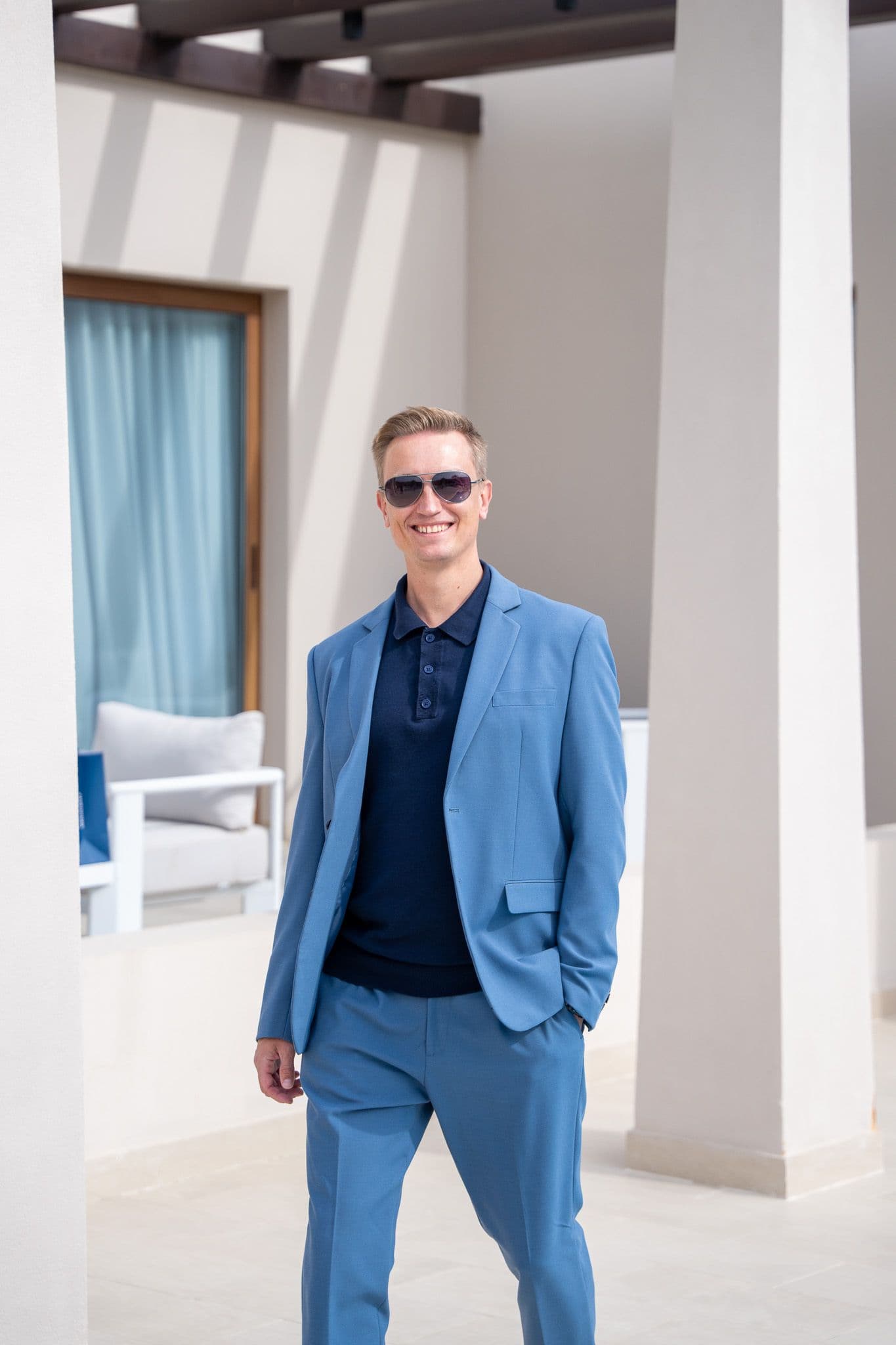
Mariusz Cieślukowski
CEO / FOUNDER
Co-founder of PlanoGroup and the person responsible for the development of the entire group. He built a brand based on quality, trust, and effectiveness, developing it in the Spanish market and subsequently expanding operations to further investment destinations. Today, he is developing PlanoGroup - a project that responds to the needs of clients who are looking not only for real estate but also for new opportunities for living, investment, and relocation. He specializes in trend analysis and building investment strategies in foreign markets - including Spain, Oman, and emerging locations such as Montenegro.
